

Health Studies Hub
Your go-to source for daily breakdowns of the latest health, fitness, and nutrition research.

Poor Bedroom Air Quality Ruins Sleep and Performance.
In 2015, J. R. Dalenberg and a team from Denmark conducted two field experiments with 30 students in dorm rooms. They tested ventilation by opening windows (low CO2: 660 ppm) or using a fan (low CO2: 835 ppm) vs. no ventilation (high CO2: 2,585 ppm or 2,395 ppm) for 1 week each. Sleep was tracked with wrist actigraphs, and next-day alertness via questionnaires and cognitive tests.

Prenatal Acetaminophen Raises Autism, ADHD Risks.
In 2025, Diddier Prada and a team from Mount Sinai analyzed 46 studies with over 100,000 participants worldwide, using a strict method to review links between prenatal acetaminophen use and neurodevelopmental issues like autism and ADHD. Acetaminophen is used by over 50% of pregnant women globally for pain or fever.

Meat, Not Plant Protein, Slashes Cancer Death Risk.
In 2025, Yanni Papanikolaou and a team from McMaster University analyzed data from 15,947 adults in the NHANES III survey. They studied how much animal and plant protein people ate, using food diaries and advanced stats to track links with death from heart disease, cancer, or any cause over years.

Intermittent Fasting Raises Heart Death Risk by 91%.
In 2024, researchers from Shanghai Jiao Tong University analyzed data from over 20,000 U.S. adults (average age 49) in the NHANES survey from 2003-2018, followed until 2019. They compared those eating in an 8-hour window (a common IF method) to those eating over 12-16 hours, adjusting for age, diet, and health factors.

7,000 Steps Daily Boost Health, Slash Disease Risk.
In 2025, Melody Ding and a team from The University of Sydney reviewed 35 studies with over 16,000 adults from 2014-2025. They analyzed how daily step counts affect eight health outcomes, including heart disease, type 2 diabetes, dementia, cancer, depression, falls, physical function, and overall death risk, using data from PubMed and EBSCO CINAHL.

Honeybee Venom Kills Tough Breast Cancer Cells.
In 2020, Ciara Duffy and a team from the Harry Perkins Institute in Australia studied how honeybee venom and its main part, melittin, affect breast cancer cells. They tested it on lab samples of triple-negative and HER2-enriched breast cancers, two hard-to-treat types, using venom from European honeybees and compared it to bumblebee venom.

Excessive Screen Time Endangers Your Child's Health.
In 2025, M. Khanani and a team reviewed studies on how excessive screen time affects kids and teens. They found that spending too long on devices like phones, tablets, or TVs—especially since the COVID-19 pandemic—hurts physical, mental, and developmental health.

Aspirin Fails to Protect Older Hearts, Increases Bleeding.
In 2025, Rory Wolfe and a team analyzed the ASPREE trial with 19,114 older adults (aged 65+ for US minorities, 70+ otherwise) without prior heart issues, dementia, or disabilities. From 2010–2017, half took daily low-dose aspirin, half got a placebo, with follow-up until 2022 for 15,668 participants. They checked for heart attacks, strokes, and bleeding events.

Skipping Breakfast Raises Depression Risk by 83%.
In 2025, J. Tan and a team reviewed 12 observational studies from databases like PubMed and Embase up to September 2024. They analyzed how skipping breakfast affects depression risk, using data from various groups and checking study quality with a standard tool.

Low Testosterone Spikes Prostate Cancer Death Risk by 30%.
In 2025, S. Fattahi and a team studied men with prostate cancer in a randomized cohort, followed over time. They analyzed testosterone levels at diagnosis, adjusting for age, cancer stage, and treatments like hormone therapy, to check links with cancer severity and death rates.
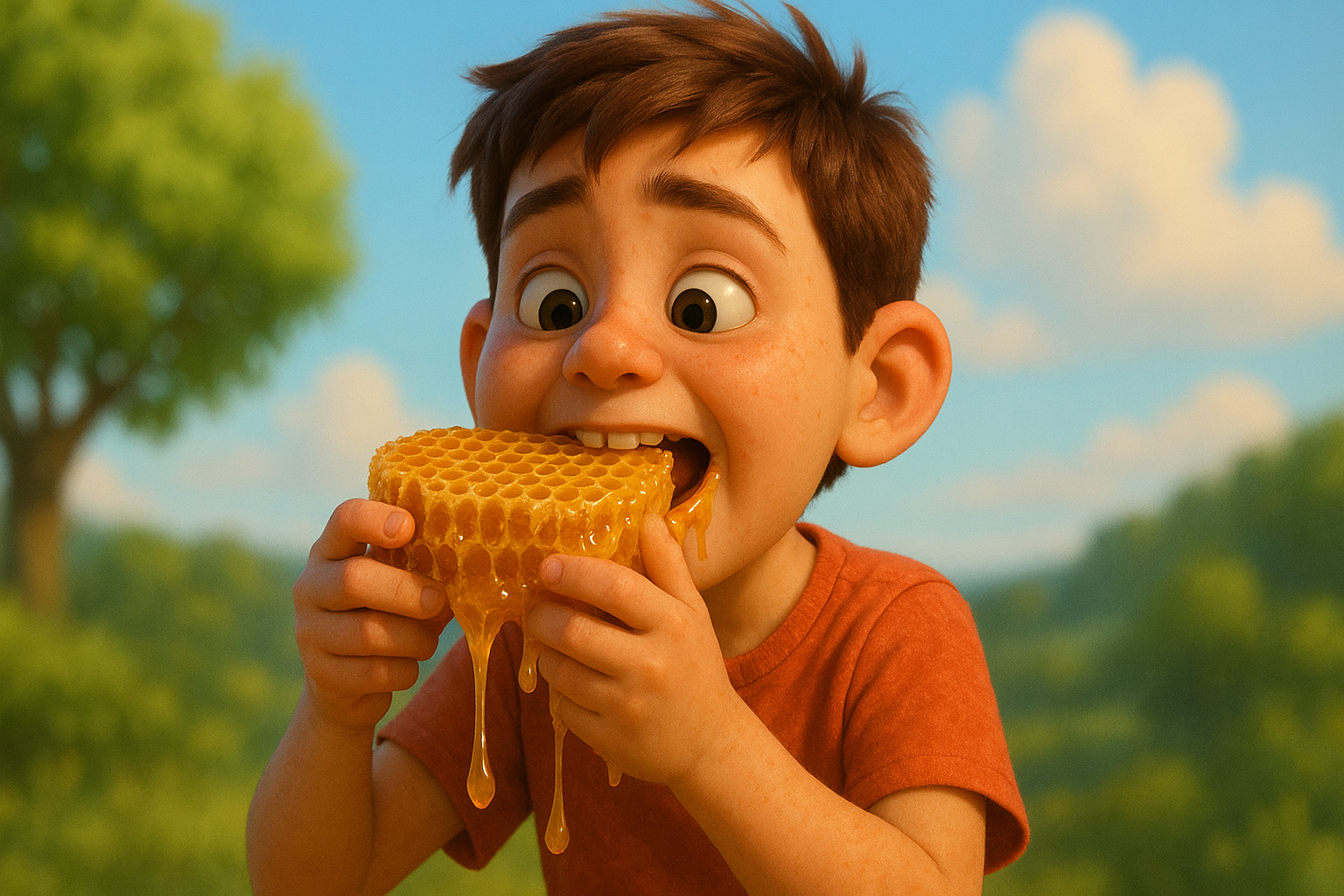
Honey Shields Against Obesity in High-Fat Diets.
In 2025, A. Al Tamim and a team from King Saud University studied Wistar rats on a high-fat diet to mimic obesity. They gave groups standard chow or high-fat diet, with or without daily Sidr or Talh honey at 500-1,000 mg/kg for 12 weeks, checking weight, blood sugar, hormones, and brain inflammation in the hypothalamic arcuate nucleus.

Sucralose Sabotages Metabolism and Spikes Cravings.
In 2025, Sandhya P Chakravartti and colleagues examined 75 young adults in a crossover trial. Sucralose (vs. sugar or water) spiked hypothalamic blood flow by 10-20%, boosted hunger by 15%, and strengthened brain connections for craving and sensing, potentially leading to overeating. Other studies (2022, 2023) showed sucralose alters gut bacteria, increasing glucose intolerance (10-15% worse in mice) and metabolic issues like inflammation.

Exercise Reduces Addiction Withdrawal by Up To 50%.
In 2023, Hao Li and a team from China reviewed 22 randomized trials with 1,537 people battling substance use disorder. They explored how light, moderate, and high-intensity workouts like walking, jogging, or weight lifting reduce withdrawal symptoms such as cravings, depression, anxiety, and insomnia during detox.

Vitamin D Improves Mental Health and Memory Skills.
In 2025, Aleksandra Skoczek-Rubińska and a team from Poznan University of Physical Education reviewed 13 studies from 2009-2025 on how vitamin D helps BDNF (a brain protein for nerve growth), mood, and thinking in adults. They looked at human and animal studies from big databases to see how vitamin D levels or supplements affect people’s brains and feelings.

Olive Oil Reduces Weight Gain and Brain Inflammation By 30%.
In 2025, Lucas Santos and a team from Brazil studied Wistar rats fed a high-fat diet from weaning to mimic obesity. They split them into four groups: standard diet, standard diet with extra-virgin olive oil (EVOO), high-fat diet, and high-fat diet with EVOO. They checked body weight, blood sugar, satiety, and brain inflammation markers in the hypothalamic arcuate nucleus.

30-Minute Workout Slashes Cancer Cell Growth by 30%.
In 2025, Francesco Bettariga and a team from Edith Cowan University studied breast cancer survivors. They tested a single 30-minute session of resistance training (like weights) or high-intensity interval training (HIIT), measuring myokines—proteins from muscles that fight cancer. Blood samples were taken before, right after, and 30 minutes post-workout to see effects on cancer cells in a lab.

Higher Protein Intake Essential for Healthy Aging.
In 2025, Stephanie Harris and team from Case Western Reserve University reviewed studies on protein needs in older adults. They found protein metabolism changes with age, leading to muscle loss and weaker immunity. In the US, 30% of men and 50% of women over 71 eat too little protein due to gut issues, less appetite, tooth problems, money worries, and loneliness.

Even 3,000 Steps Daily Slash Heart Disease Risk.
In 2025, SWM Cheng and a team analyzed data from 36,192 adults with high blood pressure in the UK Biobank. They used wrist trackers to measure daily steps and walking speed for a week, then tracked heart issues like heart failure, heart attacks, and strokes over 7.8 years.

Can't Let Go of Guilt? Science Reveals Why Forgiveness is Tough.
In 2025, Lydia Woodyatt and her team from Flinders University studied why some people can't forgive themselves after mistakes. They talked to 80 individuals: some who stayed stuck in guilt and shame, and others who eventually forgave themselves. The researchers looked at real-life stories to understand what keeps people trapped in the past and what helps them move on.

French Fries Raise Type 2 Diabetes Risk by 20%.
In 2025, Seyed Mohammad Mousavi and team from Harvard T.H. Chan School of Public Health analyzed data from three large US studies with over 205,000 health professionals followed for nearly 40 years. They tracked potato intake—French fries vs. boiled, baked, or mashed—and diabetes cases, adjusting for lifestyle factors like smoking and exercise. 22,299 people developed type 2 diabetes during the study.