

Health Studies Hub
Your go-to source for daily breakdowns of the latest health, fitness, and nutrition research.

Chronic Inflammation Doubles Your Risk of Depression & Anxiety.
A 2025 pooled cohort study of 1.56 million UK adults found that those diagnosed with autoimmune or chronic inflammatory conditions had a 86% higher likelihood of experiencing affective disorders (depression, anxiety, bipolar) compared to people without these conditions.

One Psilocybin Trip Can Deliver Two Years Of Depression Relief.
A 2025 study reported in ScienceDaily highlights that a single dose of psilocybin produced significant and sustained reductions in depression for cancer patients—lasting up to 2 years after treatment.

Oversleeping After Concussion Could Slow Recovery.
A 2025 cohort study of 291 Canadian youths (ages 10–18) found that sleeping more than 9.9 hours per night in the first two weeks after a concussion was linked to more severe symptoms and a higher risk of lingering effects at four weeks.

Early Plastic Exposure May Be Fueling Childhood Asthma.
A 2025 pooled cohort study involving 5,306 children from Australia, the U.S., and Canada, published in Journal of Exposure Science & Environmental Epidemiology, found that exposure to plastic-derived chemicals before age 5—such as phthalates and BPA—was linked to significantly higher rates of asthma and wheezing in childhood.

Could your Refrigerator Be Fueling Weight Gain?
A 2025 study by Zheng et al. used data from over 16,000 Chinese adults between 1997–2011. They found that simply owning a refrigerator was linked to a 39% increase in daily calorie intake, a rise in fat and protein consumption, and more processed food in the diet—alongside higher obesity risk, especially among older adults and men.

Waist-to-Height Ratio Beats BMI at Predicting Heart Failure Risk.
A 2025 analysis within the Malmö Preventive Project (1,792 adults, ~13 years follow-up) found that a higher waist‑to‑height ratio (WtHR)—not BMI—was strongly linked to incident heart failure.

“Eat Your Protein And Lift Weights.”
“Eat Your Protein And Lift Weights. I'd say from a simple standpoint, those are the two most important things.” ~Danica Patrick

Strong Antibiotics Could Make Pneumonia Worse.
A new study from The Lancet Infectious Diseases (2025) found that using broad-spectrum antibiotics to treat pneumonia may actually increase mortality risk in certain patients. These antibiotics can disrupt the microbiome, trigger harmful inflammation, and contribute to antibiotic resistance.
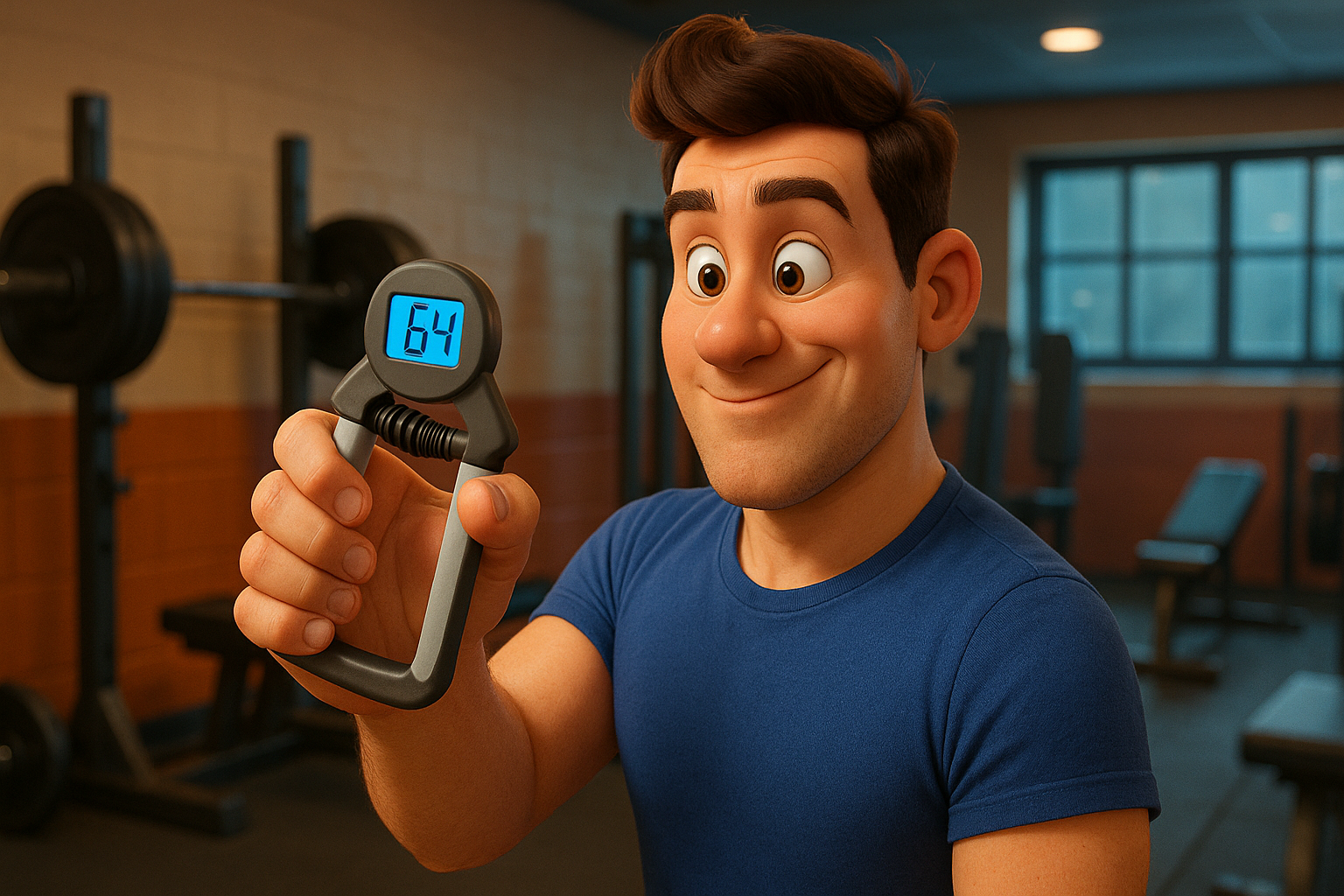
Weak Grip? You Might Be At Higher Risk For Asthma.
A 2025 study in Frontiers in Nutrition by Wen et al. found that low handgrip strength (HGS) and low relative handgrip strength (RHGS) were strongly linked to increased odds and risk of asthma—by up to 50% for those at the lowest quartile of grip strength.

Selenium May Protect Against Cancer, Diabetes, and Aging.
A 2025 review in Nutrients by Zhang dives into the crucial roles selenium plays in our bodies. As a key part of selenoproteins, this micronutrient helps balance redox reactions, regulate cell growth, support the immune system, and guard against DNA damage, chronic inflammation, insulin resistance, and neurodegeneration.

ER Visits from Alcohol Are Skyrocketing.
A 2025 study in American Journal of Epidemiology found that 100% alcohol-attributable emergency department visits increased by 139% between 1993–94 and 2019–21—compared to just a 28% rise in overall ER visits.

Childhood Screen Time Hardwires Teen Depression
A 2024 systematic review in BMC Public Health found that children with higher screen use were more likely to develop depressive symptoms later, especially between ages 9 to 12—or teens who spend much time on screens showing increased depression, anxiety, inattention, and aggression.

Curcumin May Be the Missing Key to Reversing Fatty Liver.
A year-long, double-blind trial published in Nutrients by Yaikwawong et al. (2025) tested 1,500 mg/day of ethanol-extracted curcumin in patients with MASLD. After 12 months, those taking curcumin had significantly lower liver fat, reduced inflammation, less oxidative stress, and improved body measurements—BMI, waist, and body fat percentage all decreased.

Tocotrienols May Boost Mood, Slow Aging, and Protect Your DNA.
A 2025 randomized controlled trial in Nutrients by Sharif et al. showed those who drank tocotrienols experienced better psychological well-being, lowered markers of oxidative stress, increased antioxidant enzymes, and improved genomic stability.

Creatine Sharpens Your Memory—Not Just Your Muscles.
Creatine’s known benefits for muscle energy appear to extend to the brain—boosting cognitive function via enhanced cellular energy supply. The memory improvements were consistent across sexes and independent of body composition changes, suggesting creatine supports brain performance directly.

Low Magnesium Tied to Depression, Migraines, and Alzheimer’s.
Magnesium is far more than a mineral—it’s a crucial brain-and-mood regulator. A 2025 comprehensive review in Nutrients by Varga et al. shows that low magnesium is linked to depression, migraine, Alzheimer’s, and cognitive decline.

Your Favorite Scented Candle Might Be as Toxic as Car Exhaust.
Scented candles—especially paraffin-based—don’t just smell cozy. Multiple studies show they release toxic chemicals like benzene, formaldehyde, toluene, carbon monoxide, and polycyclic aromatic hydrocarbons (PAHs)—many of which are carcinogenic, hormone-disrupting, or linked to respiratory disease.

“Safe” Air Pollution Levels are Scarring Your Heart.
A 2025 MRI study from the University of Toronto found that long-term exposure to even low levels of air pollution causes hidden heart damage, specifically increasing myocardial fibrosis—a form of scarring linked to future cardiovascular disease.

One Injection Restores Hearing in Deaf Children
A 2025 gene-therapy study by Karolinska Institutet restored hearing in all 10 participants—children and adults with congenital OTOF-related deafness—within just one month of a single inner-ear injection.

96 Toxic Chemicals Found in Nearly Every Toddler.
A 2025 study by UC Davis analyzed 201 toddlers (ages 2–4) from four U.S. states and found 96 different chemicals in their urine—48 found in over half of the kids, 34 in more than 90%—many not even tracked by national surveys.