

Health Studies Hub
Your go-to source for daily breakdowns of the latest health, fitness, and nutrition research.

The Sweetener in Diet Drinks That May Harm Your Blood Vessels.
A 2025 EMJ Neurology report highlights groundbreaking lab findings that the popular artificial sweetener erythritol—often found in sugar-free drinks—can impair brain blood vessel health. In simpler terms, this means erythritol could reduce blood flow to the brain and increase stroke risk.

Sugar Is the World’s #3 Calorie Source And It’s Slowly Killing Us.
Globally, added sugar now makes up around 10% of total calories consumed, ranking just behind grains and produce. But while those provide some nourishment, sugar contributes little and harms much. A 2023 Annual Review study warns that sugar—not fat—is driving the chronic disease epidemic. And sugar-sweetened beverages (SSBs) are the worst offenders.

Women May Benefit Even More From Creatine Than Men.
A 2021 review in Nutrients by Smith‑Ryan et al. highlights that women have 70–80% lower natural creatine stores than men, making supplementation especially impactful for their health and performance.

Gluten Sensitivity Might Be Hiding Behind Your Skin Problems.
A recent EMJ Dermatology review shows that even without celiac disease or positive blood tests, non-celiac gluten sensitivity (NCGS) can still cause persistent skin issues like dermatitis herpetiformis, eczema, urticaria, psoriasis, and chronic rashes—symptoms that often improve after adopting a gluten-free diet.

Your Gut Bacteria May Be Making You Fat—Even On a Healthy Diet.
A July 2025 study from researchers in Japan found that certain gut bacteria may block weight loss—even when you eat well. People who ate a healthy diet but failed to lose weight had higher levels of Collinsella, a microbe linked to obesity and fat storage.

Betaine Shrinks Fat, Revives Gut, and Reboots Metabolism.
A 2025 animal study in Frontiers in Nutrition by Wang et al. found that giving high-fat–fed rats betaine (1.5% in drinking water) for 8 weeks led to less body fat, improved blood lipids (lower triglycerides, higher HDL), and better glucose tolerance—all without cutting calories.

“Eat Your Protein And Lift Weights.”
“Eat Your Protein And Lift Weights. I'd say from a simple standpoint, those are the two most important things.” ~Danica Patrick
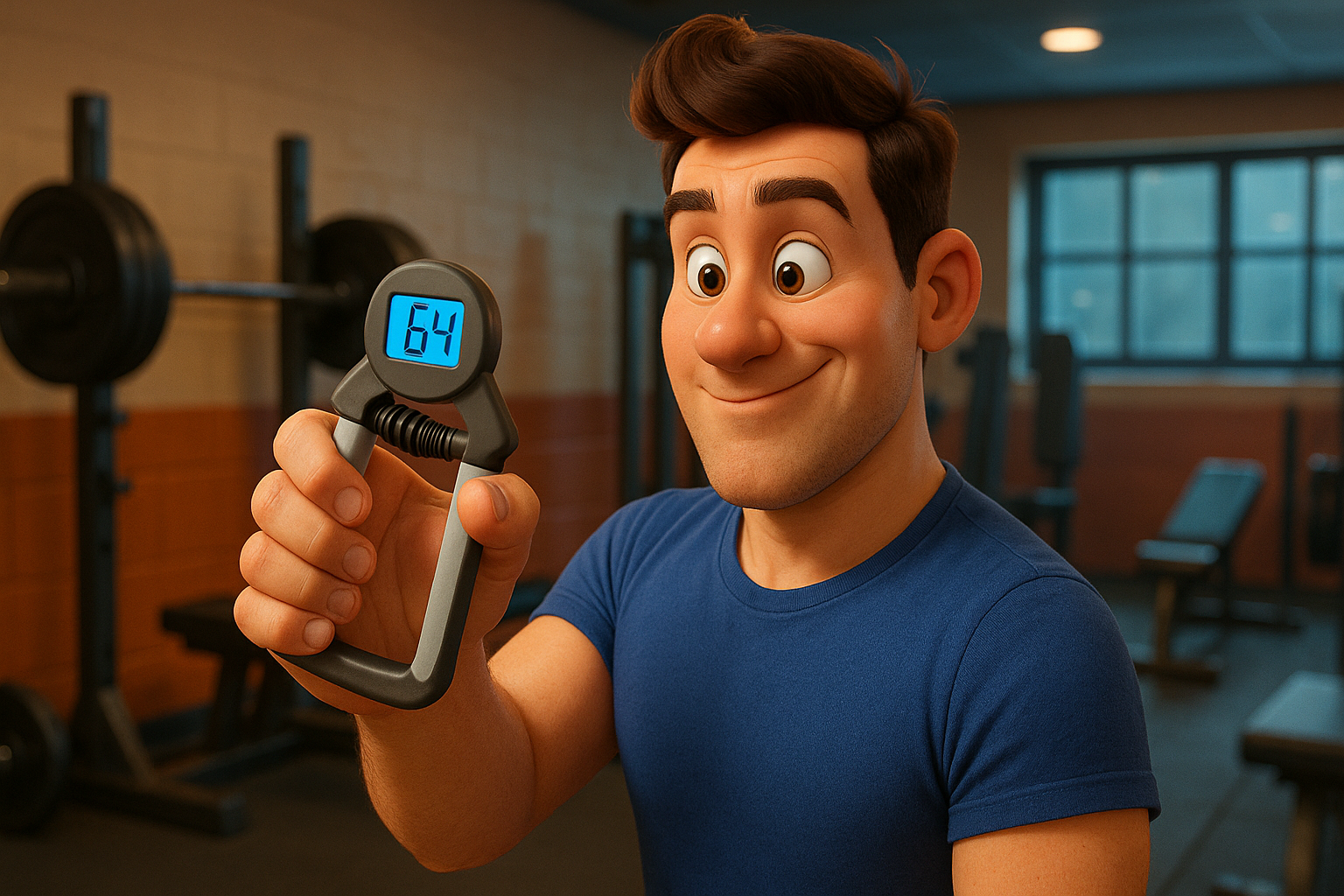
Weak Grip? You Might Be At Higher Risk For Asthma.
A 2025 study in Frontiers in Nutrition by Wen et al. found that low handgrip strength (HGS) and low relative handgrip strength (RHGS) were strongly linked to increased odds and risk of asthma—by up to 50% for those at the lowest quartile of grip strength.

Selenium May Protect Against Cancer, Diabetes, and Aging.
A 2025 review in Nutrients by Zhang dives into the crucial roles selenium plays in our bodies. As a key part of selenoproteins, this micronutrient helps balance redox reactions, regulate cell growth, support the immune system, and guard against DNA damage, chronic inflammation, insulin resistance, and neurodegeneration.

ER Visits from Alcohol Are Skyrocketing.
A 2025 study in American Journal of Epidemiology found that 100% alcohol-attributable emergency department visits increased by 139% between 1993–94 and 2019–21—compared to just a 28% rise in overall ER visits.

Curcumin May Be the Missing Key to Reversing Fatty Liver.
A year-long, double-blind trial published in Nutrients by Yaikwawong et al. (2025) tested 1,500 mg/day of ethanol-extracted curcumin in patients with MASLD. After 12 months, those taking curcumin had significantly lower liver fat, reduced inflammation, less oxidative stress, and improved body measurements—BMI, waist, and body fat percentage all decreased.

Tocotrienols May Boost Mood, Slow Aging, and Protect Your DNA.
A 2025 randomized controlled trial in Nutrients by Sharif et al. showed those who drank tocotrienols experienced better psychological well-being, lowered markers of oxidative stress, increased antioxidant enzymes, and improved genomic stability.

Low Magnesium Tied to Depression, Migraines, and Alzheimer’s.
Magnesium is far more than a mineral—it’s a crucial brain-and-mood regulator. A 2025 comprehensive review in Nutrients by Varga et al. shows that low magnesium is linked to depression, migraine, Alzheimer’s, and cognitive decline.

Even Low Doses of Glyphosate Can Trigger Cancer.
A groundbreaking 2-year controlled study on rats—considered the gold standard for cancer research—found that even “safe” levels of glyphosate exposure caused multiple types of cancer, including leukemia, liver, thyroid, kidney, and brain tumors.

Children’s Health Starts in the School Cafeteria.
A 2025 review in Nutrients by Tur & González-Gross highlights how school environments—especially meals and physical activity programs—directly shape the long-term nutrition and fitness habits of children and adolescents.

Curcumin Can Help Lower Blood Sugar in Just 12 Weeks.
A 2025 double-blind, placebo-controlled trial by Lamichhane et al. in Nutrients found that elderly prediabetic adults taking 80 mg/day of curcumin for 12 weeks saw significant reductions in HbA1c, a key marker of long-term blood sugar control.

Organic Food Isn’t Just About Pesticides—It Signals a Healthier Life.
A 2024 cross-sectional study in Nutrients by Havemann-Nies et al. analyzed nearly 10,000 German adults and found that those who regularly ate organic food had healthier diets overall—higher in fruits, vegetables, whole grains, and fiber, and lower in sugar, saturated fat, and ultra-processed foods.

Green Tea Could Naturally Boost Testosterone Levels.
A 2025 study cited in Muscle & Fitness by the National Library of Medicine found that drinking green tea daily for 20 years raised testosterone levels by 30% in men compared to non-drinkers.

Stevia Is Marketed as Healthy—But It Acts Like Birth Control.
Stevia is marketed as a natural, plant-based, zero-calorie sweetener—but multiple studies suggest it might act more like birth control than a harmless sugar alternative.

Ashwagandha Boosts Mood, Sleep, and Brainpower.
Ashwagandha, a powerful herb used in traditional medicine, has been shown in a 2025 review to help reduce stress, fatigue, anxiety, and depressive symptoms. It also supports better sleep and sharper mental focus, boosting overall feelings of well-being—even for older adults aged 60–85.