

Health Studies Hub
Your go-to source for daily breakdowns of the latest health, fitness, and nutrition research.

A Diabetes Drug Just Cut Migraines in Half—Here’s How.
A 2025 pilot study from the University of Naples “Federico II” found that the diabetes drug liraglutide (a GLP-1 receptor agonist) reduced monthly migraine days by over 50% in patients with chronic migraine.

AI Overload May Be Eroding Your Brain’s Power.
A new MIT Media Lab study (2025) found that using ChatGPT for essay tasks led to significantly weaker brain activity compared to writing without AI or using search engines, as shown by EEG scans. The ChatGPT group not only struggled to recall what they wrote, but also produced more formulaic text and felt less ownership over their work.

That “Fresh” Car Smell Could Be Harming Your Health.
New research reveals that car air fresheners—especially tree-shaped ones like Little Trees—emit dangerous chemicals such as VOCs and phthalates, which have been linked to respiratory issues, hormone disruption, reproductive problems, and even cancer. In a confined space like a car, exposure can be intense and long-lasting.

Loneliness Raises Heart Disease Risk as Much as Smoking.
A 2016 systematic review published in the journal Heart found that loneliness and social isolation raise your risk of heart attack by 29% and stroke by 32%—numbers comparable to the effects of light smoking or obesity. Researchers analyzed data from 23 studies involving over 181,000 adults, tracking heart attacks, strokes, angina, and cardiovascular deaths.

Plant Toxins Are Real—And They Can Harm Human Health.
Research confirms many plant “anti-nutrients” bind minerals, block enzymes, and may harm vulnerable individuals. For example, phytates reduce iron, zinc, and calcium absorption. One Harvard study even found higher glucosinolate intake—found in broccoli and Brussels sprouts—was linked to a 19 % increase in type 2 diabetes risk.
Chewing Gum Is Flooding Your Body With Microplastics.
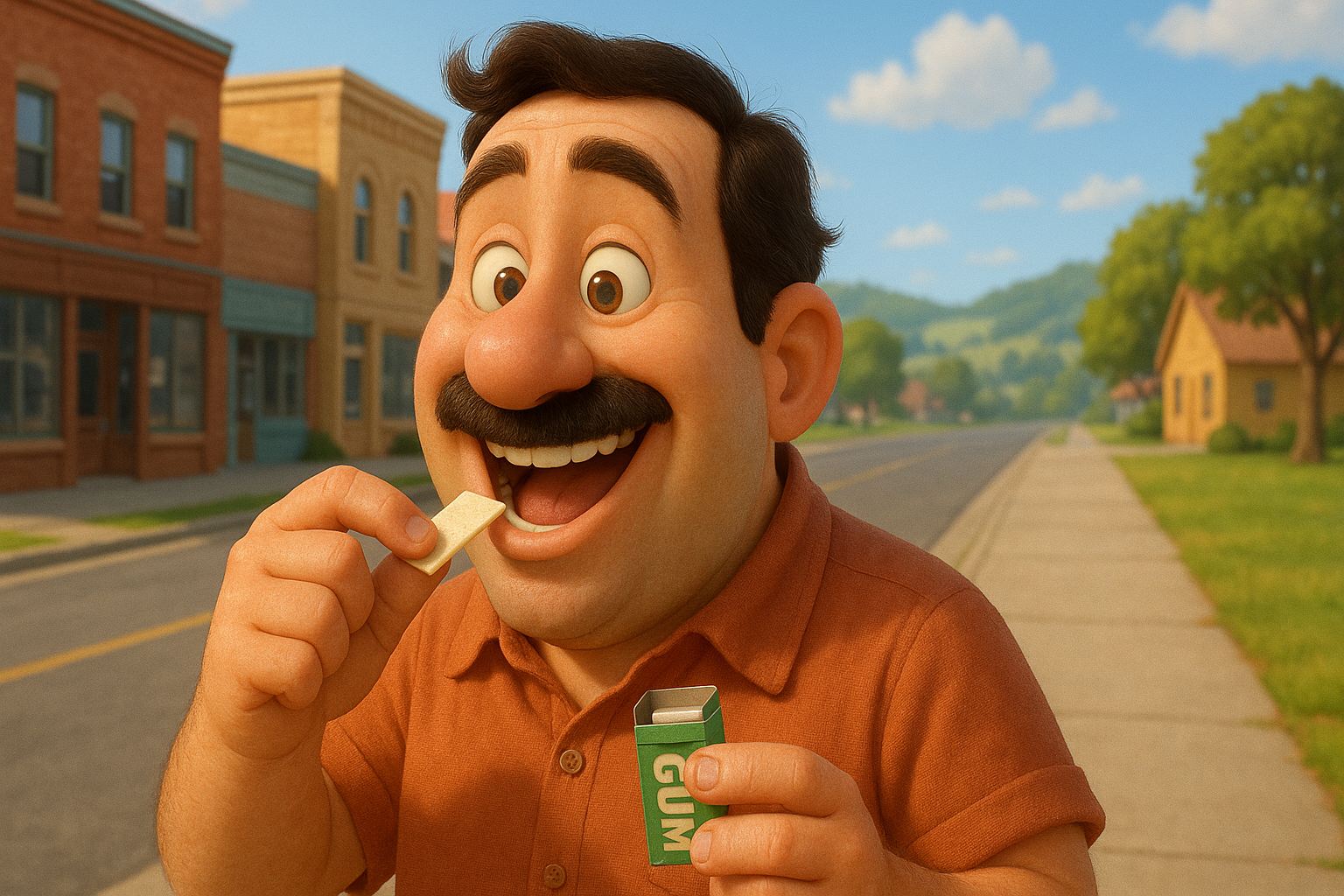
A 2025 UCLA pilot study led by Sanjay Mohanty found that a single piece of chewing gum can release between 100 to over 600 microplastic particles per gram, which means a large stick may shed up to 3,000 fragments into your saliva during chewing.

Altering Food With Microneedles Is A Line We Shouldn’t Cross.
A 2024 study from MIT and SMART introduced microneedle patches that inject melatonin directly into fruits and vegetables to delay spoilage. While the researchers claim this method reduces food waste by extending shelf life, it also involves piercing your produce with hormone-loaded needles—something never done before on a wide scale for fresh food.

Sitting Too Much After a Heart Attack Could Be Deadly.
A 2025 study led by Columbia University found that people who spent more time sitting after a heart attack or chest pain episode had more than 2.5 times higher risk of dying or having another heart event within a year. But there’s good news: swapping just 30 minutes of sitting for light activity—like walking or tidying up—cut the risk by 50%, and moderate activity cut it by 61%.

Black Coffee May Help You Live Longer—But Skip the Sugar and Cream.
A 2024 study from Tufts University published in The Journal of Nutrition found that drinking 1–3 cups of black coffee per day was linked to a 14–17% lower risk of death from any cause, including cardiovascular disease. But when that coffee is loaded with sugar or saturated fat, the benefit fades fast.

Cigarette Smoke Doesn’t Just Harm—It Rewrites Your DNA.
A 2013 review from the University of Toronto (Frontiers in Genetics) reveals how smoking alters your genes—not by mutation, but by changing their “on/off” settings via DNA methylation. This epigenetic shift can silence protective genes or activate harmful ones, linking smoking to cancer, heart disease, obesity, and even long-term issues in children exposed in the womb.

Whole Milk May Boost Health While Plant “Milks” Fall Short.
A 2023 review by Torres‑Gonzalez & Bradley at Mass General Brigham found that milk isn’t just saturated fat—its unique structure (like milk polar lipids and odd‑chain fatty acids) speeds up cholesterol digestion, lowers inflammation, supports healthy gut bacteria, and shields against metabolic stress.

Children With Asthma Often Struggle With Sensory Processing.
A 2025 report from EAACI and EMJ highlights that kids with atopic (allergic) asthma are significantly more likely to have sensory-processing issues like trouble tuning out noise or handling light, or even touch.

Running Literally Rewires Your Brain to Fight Alzheimer’s.
A 2024 study by Mass General Brigham found that exercise doesn’t just help memory—it actually activates specific genes that protect against Alzheimer’s. Mice with Alzheimer’s who used running wheels showed better memory, and scientists found that their brains had boosted activity in cells tied to blood vessels and immune defense.

Amino Acids Can Save Your Muscle While Losing Fat.
In 2025, Cannavaro, Leva, Caturano, Berra, Bonfrate & Conte (Université Clermont Auvergne & CNRS) reviewed research on using amino acid supplements during weight loss. Their Nutrients paper finds that certain amino acids—especially leucine, HMB, and collagen peptides—help protect lean mass when you’re slimming down.
Fasting & Exercise Work Together, Not Against Each Other.
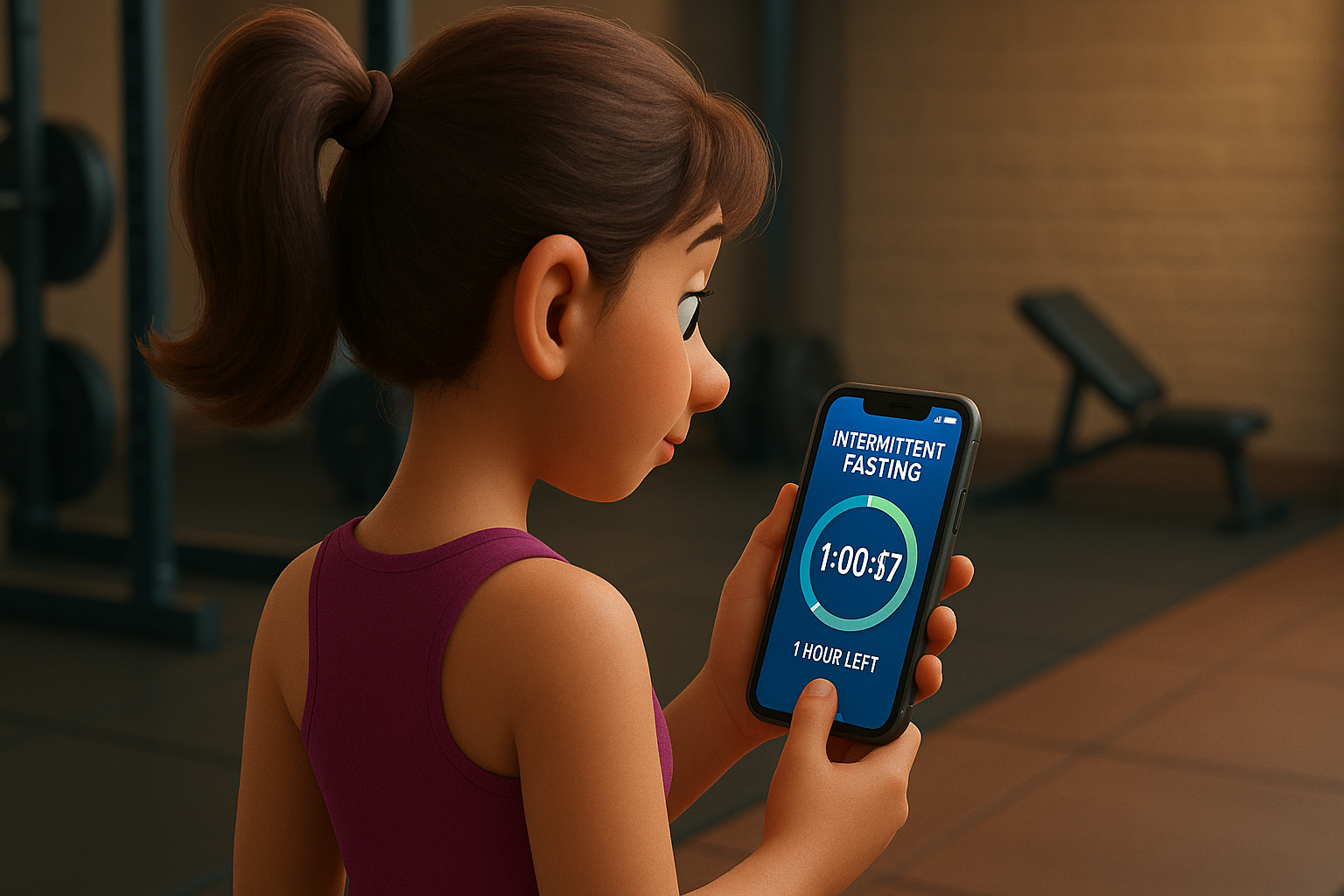
A 2025 meta-analysis by Kazeminasab et al. (Université Clermont Auvergne & CNRS) reviewed 35 randomized controlled trials with 1,266 adults. They found that combining intermittent fasting with exercise didn’t reduce VO₂max or leg/bench strength, but did slightly boost handgrip strength.

Just One Minute of Exercise Has Major Health Benefits.
A 2023 summary from Georgia State University and the Society of Behavioral Medicine shows that micro-workouts—short bursts of physical activity lasting from 30 seconds to 10 minutes—can have major benefits for heart health, blood sugar control, mental well-being, and overall endurance.

Not All “Non-alcoholic” Beers Are as Harmless as They Seem.
A 2025 randomized trial by Kreimeyer et al., published in Nutrients, found that mixed and wheat varieties raised fasting glucose, insulin markers, and triglycerides, while pilsner performed similarly to water—reducing cholesterol and LDL, and lowering liver injury markers.

Your Brain’s “Meal Memory” Settles Hunger—Not Your Stomach.
A 2025 study from the University of Southern California discovered that neurons in the ventral hippocampus store detailed memories of meals—what you ate and when. These brain “engrams” communicate with hunger centers, helping you feel full between meals.

Extreme Sodium Intake Is Getting Even More Extreme.
In a 2025 study, researchers examined U.S. dietary data from 2003–2018 to uncover trends in extreme sodium consumption—the top 5% of daily salt intake. They found these extreme levels climbing higher over time, with a growing group consuming far beyond the recommended upper limit of 2,300 mg/day.

Creatine Isn’t Just for Gym Rats—It’s Brain Fuel, Too.
In 2025, Dr. Richard Kreider of Texas A&M reviewed 685 clinical trials and found creatine to be not only safe, but vital for healthy aging. Beyond muscle gains, creatine powers brain cells, supports cognitive function, protects against stress, and helps older adults retain muscle and memory.