

Health Studies Hub
Your go-to source for daily breakdowns of the latest health, fitness, and nutrition research.

Walking After Eating Enhances Mood and Health.
In 2025, health experts from EatingWell reviewed studies on walking after eating. They looked at how even a short stroll, like 15-30 minutes, can help people with or without diabetes by preventing blood sugar spikes, easing digestion, and more. Research showed walking right after meals lowers glycemic response better than before, cutting blood sugar rises by 20-30% in some cases.

Grass-Fed & Finished Beef Crushes Grain-Fed in Health Benefits.
In a 2019 study from Michigan State University, researchers surveyed grass-finished beef from 12 US farms, analyzing fatty acids, minerals, and vitamins. Farms used all-grass diets, leading to an average omega-6 to omega-3 ratio of 4.1, far better than typical grain-fed beef's 20:1 or higher.

Workouts Rival Medications for Depression Relief.
In 2021, Yumeng Xie and a team from Renmin Hospital of Wuhan University reviewed many studies on how exercise helps people with depression. They looked at different kinds of workouts like running, swimming, or yoga, and how they change brain chemicals, reduce swelling, and improve mood. Exercise works by boosting happy brain signals like serotonin and dopamine, growing new brain cells, and cutting down harmful stress.

Ultraprocessed Foods Significantly Raise Heart Disease Risks.
In 2025, Maya K. Vadiveloo and a team from the American Heart Association reviewed studies on ultraprocessed foods like chips, sodas, and ready meals. They looked at how these foods, often high in fats, sugars, and salt, affect health in the US where 55% of calories come from them, rising to 62% in youth.

High Inflammation Raises Cancer Death Risk by 60.4%.
In 2025, Hailun Xie and team analyzed 6,568 cancer patients from multiple hospitals. They made an inflammatory score from white blood cell count and C-reactive protein levels in blood, grouping it as mild, moderate, or severe. They tracked survival and nutrition changes using stats like survival curves and risk models.

Honey Protects Brain from Alzheimer's Damage.
In 2025, María D. Navarro-Hortal and her team from the University of Granada reviewed many studies on how honey helps with Alzheimer's disease, a brain problem that causes memory loss and confusion. They looked at honey's natural compounds like flavonoids and polyphenols, found in raw honey from bees, and how they fight harmful changes in the brain.

Whey Protein Boosts Muscle Growth with Exercise.
In 2025, Xiaorong Ji and team from Shanghai University of Sport reviewed 21 studies with 1,200+ healthy adults. They looked at how whey protein, taken with exercise like weight lifting or running, helps build muscle. The studies compared groups using whey (20-40g per dose) to those doing exercise alone or with other proteins, measuring muscle protein synthesis (how muscles repair and grow) and the AKT/mTOR pathway, a cell signal that turns on muscle building.
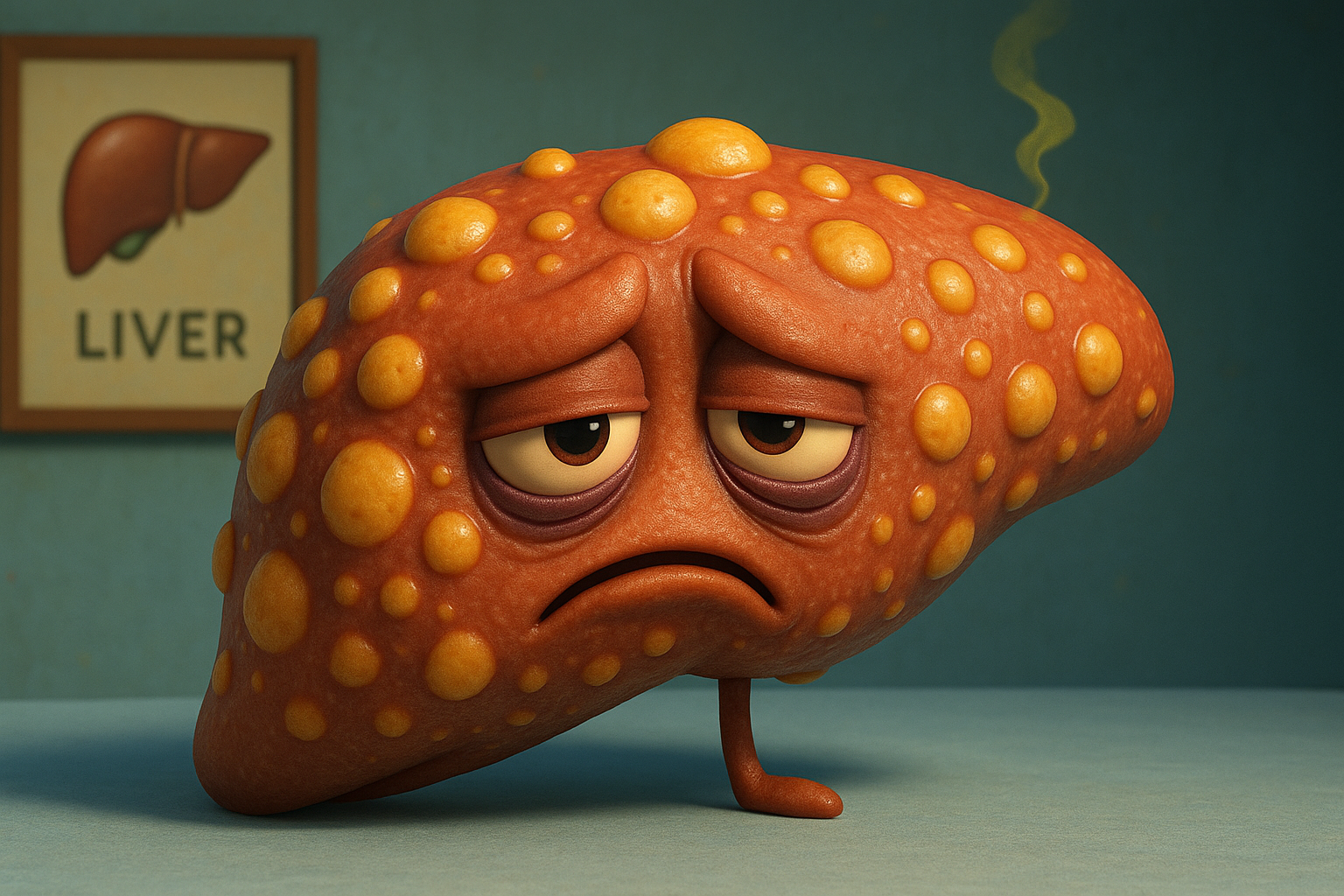
Gallbladder Removal Increases Fatty Liver Disease Risk.
In 2025, HJ Jeon and team from South Korea studied 661,122 people using the Korean National Health Insurance Service data. They compared 4,664 patients who had their gallbladder removed to 13,992 matched individuals who didn’t, over 5.35 years, to check for metabolic dysfunction-associated steatotic liver disease (MASLD), a fatty liver condition tied to obesity or diabetes.

Red Light Therapy Plus TXA Clears Facial Redness.
In 2025, X. Liu and team studied 56 patients with facial redness from acne or rosacea. They split them into two groups: one got intense pulsed light (IPL) therapy alone, while the other used IPL plus 3% tranexamic acid (TXA) cream. They measured redness levels and quality of life before and after treatment using standard scales.

Gut-Friendly Diets Boost Brain Power in Older Adults.
In 2025, Changhu Sun and a team from Chengdu University of Traditional Chinese Medicine looked at data from 2,207 older adults in the US from the National Health and Nutrition Examination Survey (2011-2014). They created a score called the Dietary Index for Gut Microbiota to see how foods that help good gut bugs—like fruits, veggies, whole grains, beans, yogurt, and fish—affect thinking skills.

Gut Microbes Play a Key Role in Depression Symptoms.
In 2025, Xiangyan Zhou and a team from Huazhong University of Science and Technology in China reviewed studies on how gut microbes affect depression. They explored the gut-brain axis, a two-way connection between your belly and brain, showing how gut bugs impact mood and mental health.

Safflower Flavonoids Cut Heart Damage by Up to 50%.
In 2025, Fajian Ren and a team from Chengdu University of Traditional Chinese Medicine reviewed how flavonoids from safflower, like chalcones and quercetin, work in the body. They looked at many studies on these compounds, found in safflower petals used in traditional medicine for blood flow and pain relief.

E-Cigarette Flavor Bans Spark Rise in Teen Cigarette Smoking.
In 2025, D Cheng and team analyzed data from the Youth Risk Behavior Survey and Behavioral Risk Factor Surveillance System to study how state bans on flavored e-cigarettes affected vaping and smoking.

Air Conditioners' Role in Respiratory and Fatigue Issues.
In 2023, Vidya Ganji and her team studied 392 healthy non-smokers (aged 18-45) in Hyderabad, India. They compared 196 people who used air conditioners for 6-8 hours a day for over 2 years to 196 people who didn’t. They used a survey to check for Sick Building Syndrome, which means feeling sick from being in a building, and tested lung health with a breathing machine.

How Diet Fuels Fat-Burning Tissues for Better Health.
In 2025, Bruna Bombassaro and team from the University of Campinas reviewed how dietary factors like caffeine, capsaicin, cinnamon, curcumin, resveratrol, and fatty acids (EPA, DHA, oleic acid) activate brown and beige adipose tissues (BAT) to burn calories via thermogenesis.

Seed Oils Take Nearly 2 Years to Clear Out of Fat Stores.
A 1966 study revealed that linoleic acid (LA), the main omega-6 fat in seed oils like soybean and sunflower, lingers in your body’s fat tissue with a half-life of ~680 days (~1.9 years). Men switching to high-LA diets saw adipose LA rise from 11% to 32% over 5 years, showing it takes years to fully reflect dietary shifts.

Pasture-Raised Chicken Enhances Heart and Immune Health.
In a 2024 article from FarmstandApp, researchers highlight the health advantages of pasture-raised chickens compared to conventional poultry. These chickens, raised outdoors with access to grass, insects, and sunlight, yield meat with up to 3x more omega-3 fatty acids, 40% more vitamin A, and 50% more vitamin E, alongside 21% less total fat.

Ear-Clip Vagus Nerve Stimulation Boosts Fitness.
In 2025, GL Ackland and team conducted a randomized, double-blind, crossover trial with 28 healthy adults. They tested a non-invasive ear-clip device delivering gentle electrical pulses to the vagus nerve for 30 minutes daily over one week, compared to a sham device, with a two-week washout period. Exercise capacity (VO2peak), heart rate, breathing rate, and inflammation markers were measured.

High-Phenolic Extra Virgin Olive Oil Boosts Heart Health.
In 2025, Christos Kourek and team conducted a single-blind randomized clinical trial with 50 hyperlipidemic patients and 20 healthy controls at the General Hospital of Messinia, Greece. Patients were assigned to either 20g/day lower-phenolic EVOO or 8g/day higher-phenolic EVOO for 4 weeks. Lipid profiles were measured at baseline and post-intervention.

Red Light Therapy Enhances Memory and Brain Connectivity.
In 2025, Qin Yang and team conducted a randomized, single-blind, crossover trial with 55 healthy older adults to explore transcranial photobiomodulation (tPBM), a form of red light therapy using a 1064-nm laser on the left forehead. Using fNIRS, they measured brain connectivity and assessed working memory via the 3-back task before and after active or sham tPBM sessions.