

Health Studies Hub
Your go-to source for daily breakdowns of the latest health, fitness, and nutrition research.

Omega‑3s Supercharge Strength, Speed, and Brainpower.
A 2025 randomized controlled trial in Nutrients by University of Stanford tested omega‑3 supplementation plus resistance training vs. training alone in 30 healthy, active adults.

Squats Every Hour Are Stronger Than a Walk for Metabolic Health.
A 2024 randomized controlled trial at Zhejiang University had participants either sit all day, do one 30‑minute walk, or take 3‑minute walking or squatting breaks every 45 minutes. The walking and squatting groups saw significantly better post-meal blood sugar control, with squats and walks far outperforming sitting and even surpassing the single walk.

Glass Bottles May Be Flooding Your Drink With Plastic.
A 2025 French study from ANSES found that glass-bottled beverages—like soda, lemonade, iced tea, and beer—contain around 100 microplastic particles per liter, which is 5 to 50 times more than plastic or metal bottles.

Zapping Aged Cells Could Revolutionize Aging Research.
Researchers at Tokyo Metropolitan University (2025) have unveiled a label-free technique using electric fields to pinpoint aged (senescent) human cells. By monitoring how skin cells respond to alternating electric fields, they can now identify cellular aging fast and without harmful dyes.

Eating Eggs Might Be the Key to a Stronger Gut Barrier.
A 2025 systematic review and meta-analysis in Nutrients by Sultan et al. analyzed multiple studies on egg consumption and digestive outcomes. They found that eating eggs (up to one per day) can improve gut permeability, reduce inflammation, and may even help balance gut bacteria.

A Diabetes Drug Just Cut Migraines in Half—Here’s How.
A 2025 pilot study from the University of Naples “Federico II” found that the diabetes drug liraglutide (a GLP-1 receptor agonist) reduced monthly migraine days by over 50% in patients with chronic migraine.

AI Overload May Be Eroding Your Brain’s Power.
A new MIT Media Lab study (2025) found that using ChatGPT for essay tasks led to significantly weaker brain activity compared to writing without AI or using search engines, as shown by EEG scans. The ChatGPT group not only struggled to recall what they wrote, but also produced more formulaic text and felt less ownership over their work.

That “Fresh” Car Smell Could Be Harming Your Health.
New research reveals that car air fresheners—especially tree-shaped ones like Little Trees—emit dangerous chemicals such as VOCs and phthalates, which have been linked to respiratory issues, hormone disruption, reproductive problems, and even cancer. In a confined space like a car, exposure can be intense and long-lasting.

Loneliness Raises Heart Disease Risk as Much as Smoking.
A 2016 systematic review published in the journal Heart found that loneliness and social isolation raise your risk of heart attack by 29% and stroke by 32%—numbers comparable to the effects of light smoking or obesity. Researchers analyzed data from 23 studies involving over 181,000 adults, tracking heart attacks, strokes, angina, and cardiovascular deaths.

Plant Toxins Are Real—And They Can Harm Human Health.
Research confirms many plant “anti-nutrients” bind minerals, block enzymes, and may harm vulnerable individuals. For example, phytates reduce iron, zinc, and calcium absorption. One Harvard study even found higher glucosinolate intake—found in broccoli and Brussels sprouts—was linked to a 19 % increase in type 2 diabetes risk.
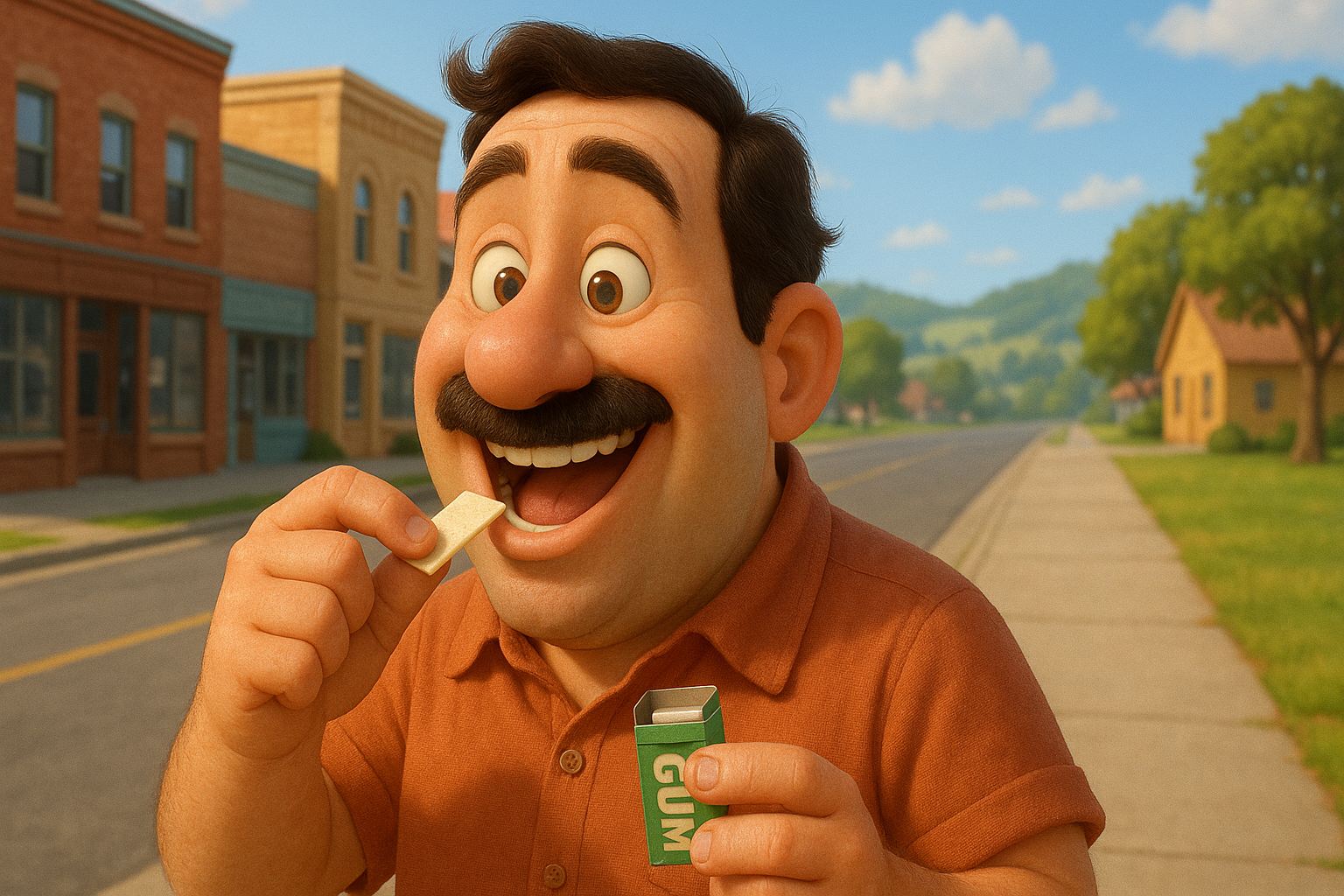
Chewing Gum Is Flooding Your Body With Microplastics.
A 2025 UCLA pilot study led by Sanjay Mohanty found that a single piece of chewing gum can release between 100 to over 600 microplastic particles per gram, which means a large stick may shed up to 3,000 fragments into your saliva during chewing.

Sitting Too Much After a Heart Attack Could Be Deadly.
A 2025 study led by Columbia University found that people who spent more time sitting after a heart attack or chest pain episode had more than 2.5 times higher risk of dying or having another heart event within a year. But there’s good news: swapping just 30 minutes of sitting for light activity—like walking or tidying up—cut the risk by 50%, and moderate activity cut it by 61%.

Black Coffee May Help You Live Longer—But Skip the Sugar and Cream.
A 2024 study from Tufts University published in The Journal of Nutrition found that drinking 1–3 cups of black coffee per day was linked to a 14–17% lower risk of death from any cause, including cardiovascular disease. But when that coffee is loaded with sugar or saturated fat, the benefit fades fast.

Cigarette Smoke Doesn’t Just Harm—It Rewrites Your DNA.
A 2013 review from the University of Toronto (Frontiers in Genetics) reveals how smoking alters your genes—not by mutation, but by changing their “on/off” settings via DNA methylation. This epigenetic shift can silence protective genes or activate harmful ones, linking smoking to cancer, heart disease, obesity, and even long-term issues in children exposed in the womb.

Whole Milk May Boost Health While Plant “Milks” Fall Short.
A 2023 review by Torres‑Gonzalez & Bradley at Mass General Brigham found that milk isn’t just saturated fat—its unique structure (like milk polar lipids and odd‑chain fatty acids) speeds up cholesterol digestion, lowers inflammation, supports healthy gut bacteria, and shields against metabolic stress.

Children With Asthma Often Struggle With Sensory Processing.
A 2025 report from EAACI and EMJ highlights that kids with atopic (allergic) asthma are significantly more likely to have sensory-processing issues like trouble tuning out noise or handling light, or even touch.

Running Literally Rewires Your Brain to Fight Alzheimer’s.
A 2024 study by Mass General Brigham found that exercise doesn’t just help memory—it actually activates specific genes that protect against Alzheimer’s. Mice with Alzheimer’s who used running wheels showed better memory, and scientists found that their brains had boosted activity in cells tied to blood vessels and immune defense.

Just One Minute of Exercise Has Major Health Benefits.
A 2023 summary from Georgia State University and the Society of Behavioral Medicine shows that micro-workouts—short bursts of physical activity lasting from 30 seconds to 10 minutes—can have major benefits for heart health, blood sugar control, mental well-being, and overall endurance.

Extreme Sodium Intake Is Getting Even More Extreme.
In a 2025 study, researchers examined U.S. dietary data from 2003–2018 to uncover trends in extreme sodium consumption—the top 5% of daily salt intake. They found these extreme levels climbing higher over time, with a growing group consuming far beyond the recommended upper limit of 2,300 mg/day.

Creatine Isn’t Just for Gym Rats—It’s Brain Fuel, Too.
In 2025, Dr. Richard Kreider of Texas A&M reviewed 685 clinical trials and found creatine to be not only safe, but vital for healthy aging. Beyond muscle gains, creatine powers brain cells, supports cognitive function, protects against stress, and helps older adults retain muscle and memory.